- You have no items in your shopping cart
- Continue Shopping

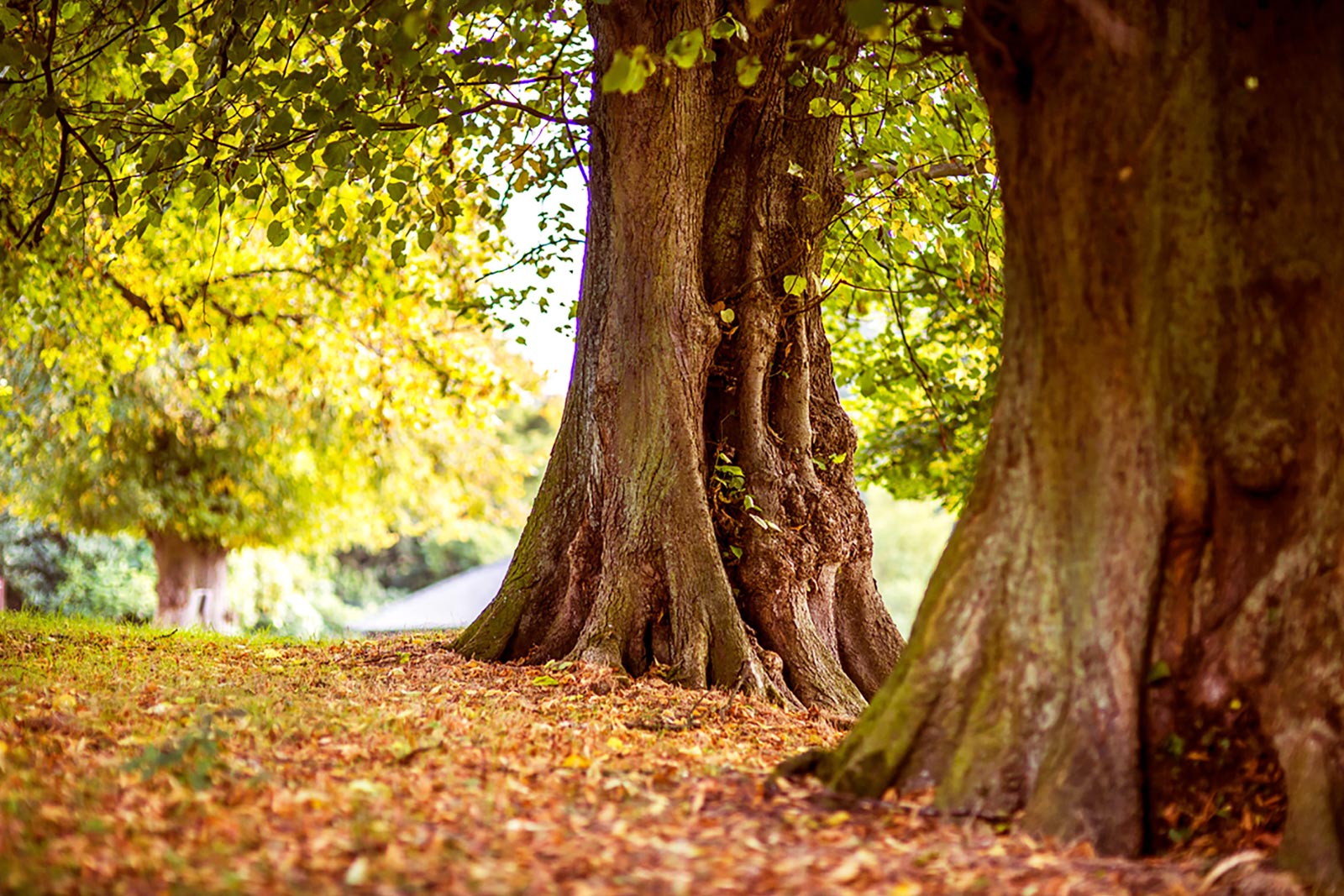
There’s a particular morning in October that returns to me each year.
I’m standing in my backyard with a cup of tea, watching the maple tree release its leaves one by one. Not in a dramatic windstorm, but slowly, deliberately — as if each leaf is making a conscious choice to let go.
The air carries that unmistakable autumn scent: earth, decay, and somehow, hope mingled together.
In that moment, I understand why autumn has always felt like the most honest season.
The Season That Teaches Surrender
Autumn divides people into two camps.
Some see the cooling temperatures and falling leaves as nature’s decline — a slow march toward the dormancy of winter, the death of summer’s vibrancy, the end of light and warmth.
Others, myself included, see something entirely different: a season of extraordinary beauty precisely because it embraces change rather than resisting it.
The trees aren’t dying when they release their leaves. They’re practicing the art of letting go — surrendering what no longer serves them to prepare for what comes next. They’re showing us that there’s profound beauty in the space between holding on and what comes after.
This is autumn’s first teaching: transformation requires release.
A Symphony of Impermanence
If you’ve been fortunate enough to experience a true autumn — not just a subtle temperature shift, but the full sensory immersion of the season — you know it’s unlike anything else in nature’s cycle.
The transformation begins slowly, almost imperceptibly.
A single leaf at the top of a tree shifts from green to gold. Then another. And another. What seemed like it might fade into brown instead erupts into a celebration of color: amber, crimson, rust, burgundy, sunset orange, and every shade between.
It’s as if the trees save their most vibrant expression for their moment of letting go.
There’s a meditation in watching this unfold. Each tree transforms at its own pace. Some maples blaze red while the oak beside them remains stubbornly green. The diversity of the process — the lack of uniformity — creates depth and richness that a single color could never achieve.
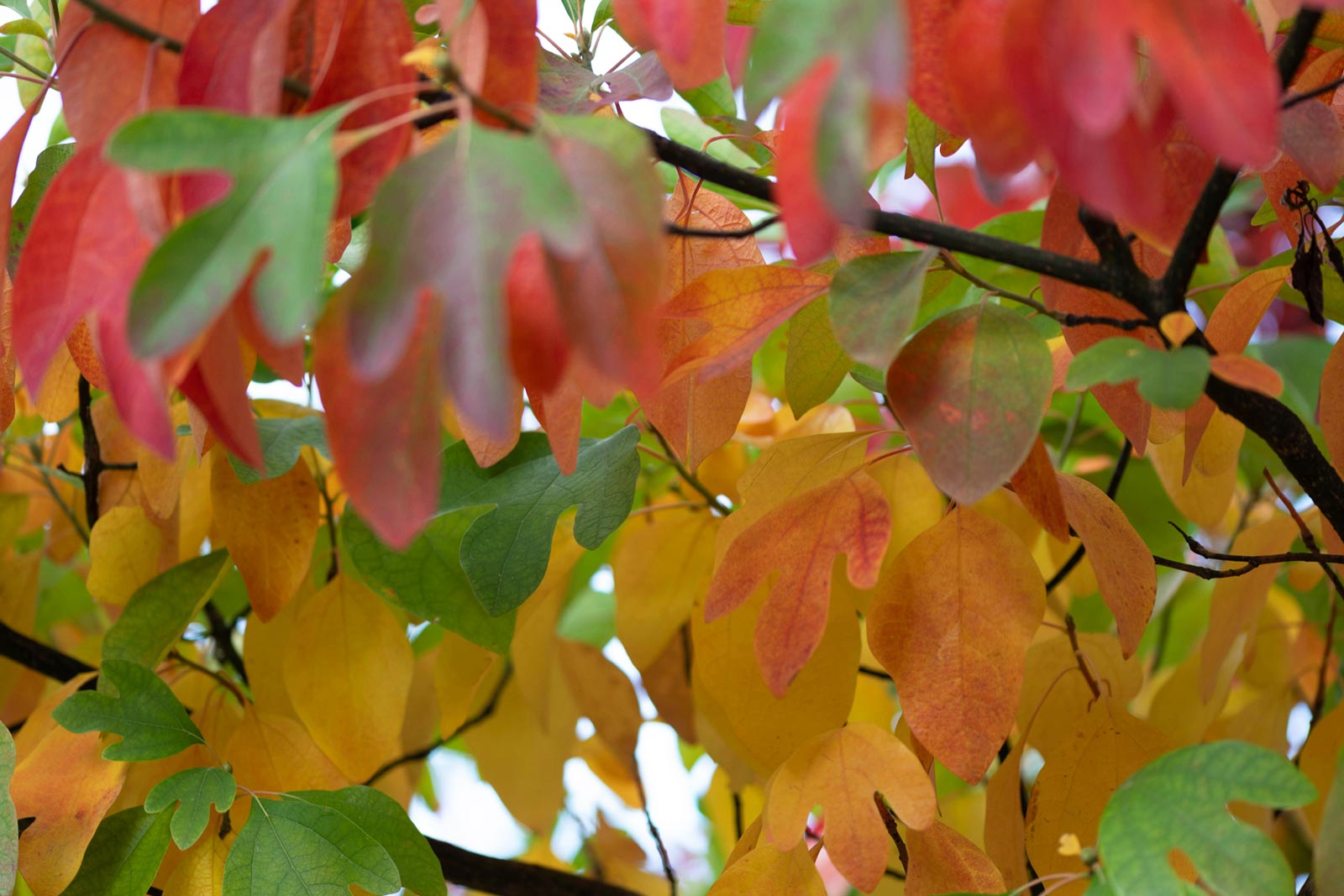
Autumn teaches us that beauty doesn’t require sameness. That transitions don’t follow a prescribed timeline. That change, even when it leads toward stillness, can be radiant.
The Invitation to Begin Again
Autumn carries a paradox within it.
It’s simultaneously an ending and a beginning — the closing of summer and the opening of something new. This dual nature makes it feel liminal, like standing in a doorway between two rooms, belonging fully to neither but touched by both.
For children, this threshold is obvious. The lazy freedom of summer gives way to the structured rhythm of a new school year. Fresh notebooks. New teachers. Unfamiliar classmates who might become friends. The nervous excitement of not knowing what this chapter will bring.
As adults, we often lose touch with this sense of seasonal renewal. Our years blur together, one month bleeding into the next without clear demarcations. But autumn offers us the same invitation it extends to children: to begin again, to approach life with fresh curiosity, to embrace the unknown with anticipation rather than fear.
What would it mean to treat autumn as your personal new year? To use this season of natural letting-go as a prompt to release what’s no longer serving you? To make space for new growth by composting old patterns?
The earth models this for us every autumn. Perhaps we’re meant to notice.
Presence Through Seasonal Rituals
There’s something about autumn that invites participation.
Summer often feels passive — we receive the sun’s warmth, we enjoy the abundance, we coast on the energy of long days. Winter will later ask for endurance and patience.
But autumn asks us to engage, to show up, to create meaning through intentional acts.
I think about the rituals that make autumn feel sacred:
- Walking through a pumpkin patch, placing your hand on dozens of gourds until one feels inexplicably right. Carving faces into their orange flesh and witnessing how candlelight transforms them. Roasting the seeds with salt and watching a harvest become nourishment.
- Gathering fallen leaves — each one a unique expression of change — and marveling at their perfect imperfection. Some torn, some whole, all beautiful precisely because they show evidence of their journey.
- Pressing your feet into cool earth during forest walks, breathing air that feels simultaneously crisp and comforting. Noticing how different the world sounds when leaves crunch beneath your steps.
These aren’t just nostalgic activities. They’re practices of presence — ways of acknowledging the season, honoring the transition, and participating in the natural rhythm rather than simply observing it from a distance.
When we carve pumpkins, we’re creating art from what grows naturally. When we walk through falling leaves, we’re literally moving through change. When we gather around fires or share warm cider, we’re building community as the world grows colder.
These rituals ground us. They remind us that we’re part of nature’s cycles, not separate from them.
The Gratitude Season
Autumn has long been associated with harvest and thanksgiving, and this connection runs deeper than cultural tradition.
There’s something about this season — watching abundance slowly fade, feeling warmth give way to cold — that naturally turns our attention toward appreciation. When we sense that nothing lasts forever, we become more capable of recognizing what we have right now.
Thanksgiving itself is a practice in presence. We pause our striving to name what’s already here. We gather with people we love (or are learning to love) and speak aloud the blessings that might otherwise go unnoticed in the daily rush of living.
But autumn’s invitation to gratitude extends beyond a single day.
Every falling leaf is a reminder: this moment, like all moments, is temporary. The warmth you feel today will give way to cold. The green will become gold, then brown, then bare. Nothing — not suffering, not joy, not this precise configuration of circumstances — lasts forever.
This impermanence could be depressing. Or it could be liberating.
When we truly understand that everything changes, we become more present to what is. We stop postponing appreciation until conditions are perfect. We notice the beauty available right now, in this season, in this transition, in this imperfect moment.
🧡 Autumn whispers: Don’t wait. Be grateful now. This won’t come again in quite this way.
Finding Your Autumn Practice
The beauty of autumn isn’t just in observing it — it’s in allowing it to teach you.
Consider creating your own autumn mindfulness practices:
Morning walks in changing weather. Notice how your body responds to cooler air. Feel the difference between summer’s humidity and autumn’s crispness. Watch your breath become visible as temperatures drop.
Leaf meditation. Collect fallen leaves and really look at them. Notice the veins, the colors, the edges. Reflect on what each leaf released to become what it is now. What might you need to release?
Gratitude journaling at sunset. As days grow shorter, use the earlier darkness as a reminder to pause and name three things you’re grateful for. Let the fading light prompt reflection rather than resistance.
Seasonal cooking rituals. Make soup. Bake bread. Roast vegetables. Engage with autumn’s harvest through the meditative act of preparing nourishing food.
Digital sunset. Just as nature powers down in autumn, consider your own version of seasonal dormancy. What might you let go of as the year winds down? What deserves to lie fallow for a season?
The Wisdom of Trees
If we’re paying attention, trees become our teachers in autumn.
They show us that letting go isn’t loss — it’s wisdom. That there’s proper timing to release. That stripping away what’s no longer essential isn’t diminishment but preparation for what comes next.
The tree doesn’t mourn its leaves. It trusts the process. It knows that this shedding creates space for new growth when conditions are right again. It understands that holding on to summer’s leaves through winter’s storms would damage rather than preserve.
What are you holding onto that’s no longer serving you? What beliefs, patterns, relationships, or identities might you need to release — not because they were wrong, but because their season has passed?
Autumn gives us permission to let go with grace rather than guilt.
The Beauty in Transition
Perhaps autumn feels so poignant because it refuses to hide its transitions.
Spring covers its awkward emergence with rapid growth. Summer radiates confidence in its peak expression. Winter settles into stillness with quiet dignity.
But autumn? Autumn shows us the in-between. The messy middle. The visible process of transformation from one state to another.
And somehow, it’s breathtaking.
The trees don’t apologize for their bare branches emerging between remaining leaves. The landscape doesn’t hide its patchwork of green, gold, and brown. Nature is completely unselfconscious about being in transition.
This is autumn’s final teaching: you don’t have to wait until you’ve fully transformed to be beautiful.
You are allowed to be in process. To be neither who you were nor who you’re becoming. To exist in the space between, with all its uncertainty and incompleteness visible.
Autumn asks: What if transition itself is sacred? What if the changing — not just the changed — deserves celebration?
An Invitation
Whether autumn has always been your favorite season or you’ve never given it much thought, this year try something different.
Instead of rushing through it to reach winter holidays or looking backward with nostalgia for summer’s warmth, practice being fully present to autumn itself.
Feel the temperature shift. Watch the light change. Notice nature’s radical act of letting go. Participate in the rituals that make this season feel alive.
And perhaps, let autumn teach you its deepest lesson: that beauty and release can coexist, that transformation is natural, and that sometimes the most vibrant expression of life comes just before rest.
The trees are showing us how to surrender with grace.
The leaves are demonstrating that letting go can be gorgeous.
The season is inviting us to trust the cycles that move through us just as surely as they move through nature.
All we have to do is accept the invitation.